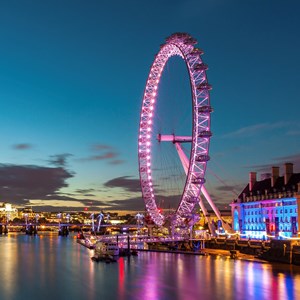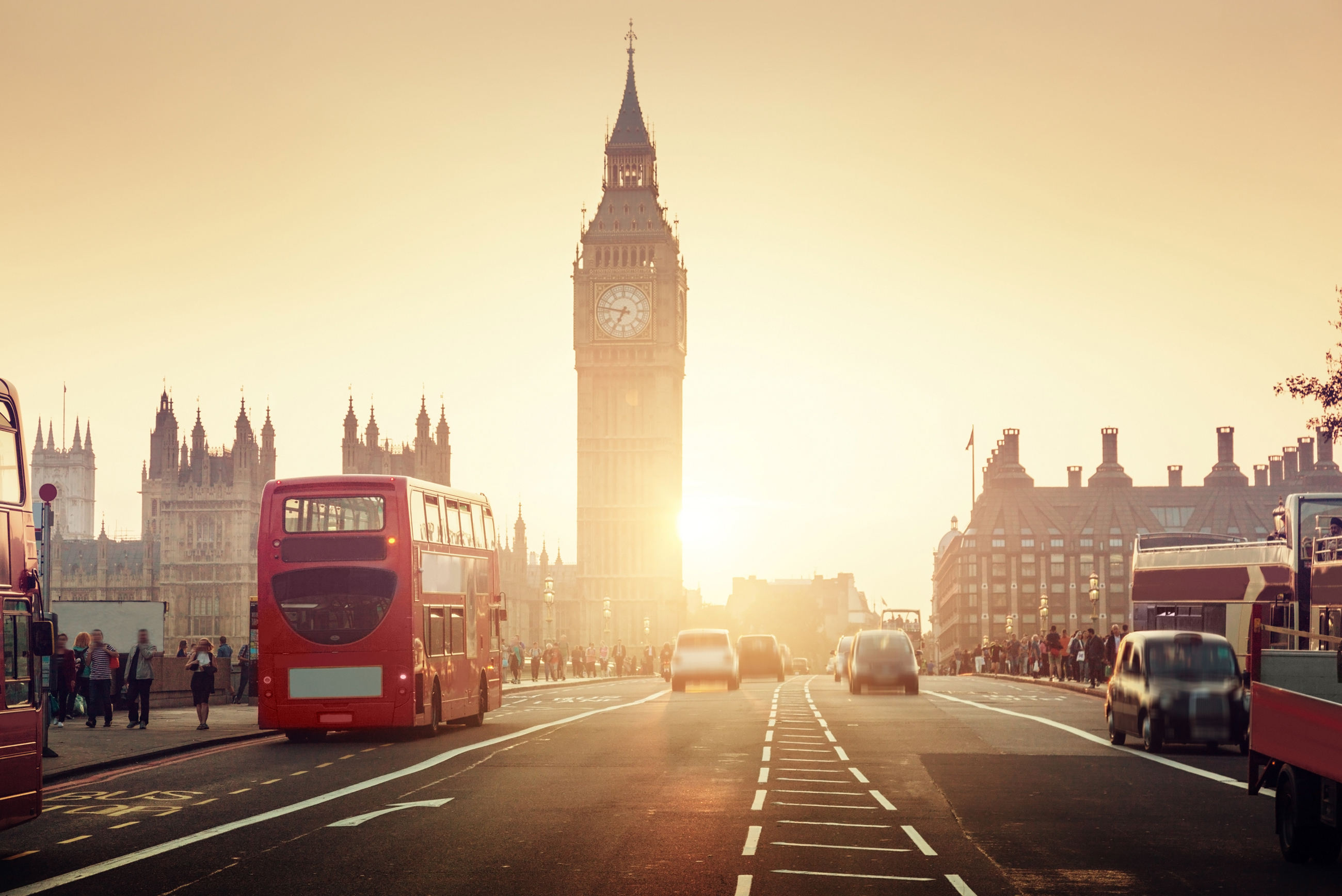



London is the cultural, political and economic heart of Britain, famous for its world-class museums, galleries, royal palaces, shopping destinations, West End theatre shows and award-winning restaurants. Whether you want to stay in a 5-star luxury hotel and sip Champagne on the London Eye or find a cheap hostel and stroll around one of London's beautiful Royal Parks, you're sure to find something that suits your budget and interests.
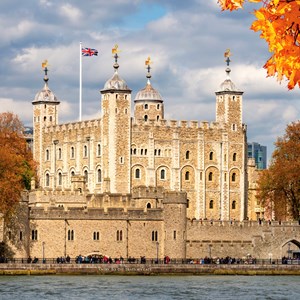
London is a world-class city and the heart of British politics, culture and commerce. Its history stretches back thousands of years, and remnants of this fascinating past can still be found across the capital — from the Tower of London, a gruesome site of Medieval torture, to the majestic Buckingham Palace.
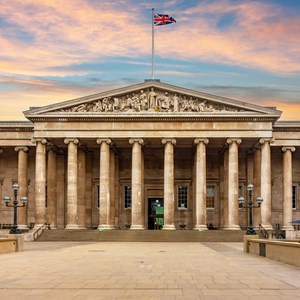
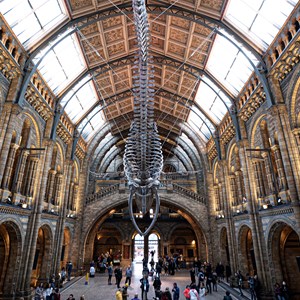
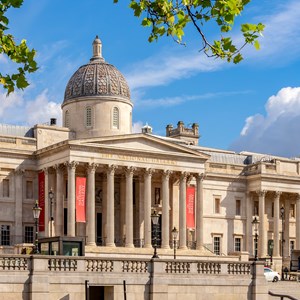
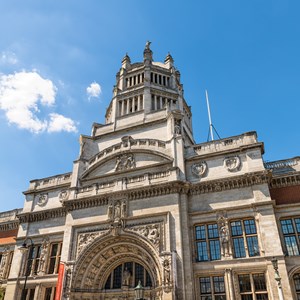
A captivating mix of old and new, London is also renowned for its creativity, innovation and originality in art, theatre, music, design and cuisine. It is home to countless art galleries and museums, including the Tate Modern, National Gallery and British Museum, which possesses some of the world's finest treasures. And best of all, entry to most of these museums and galleries is free!
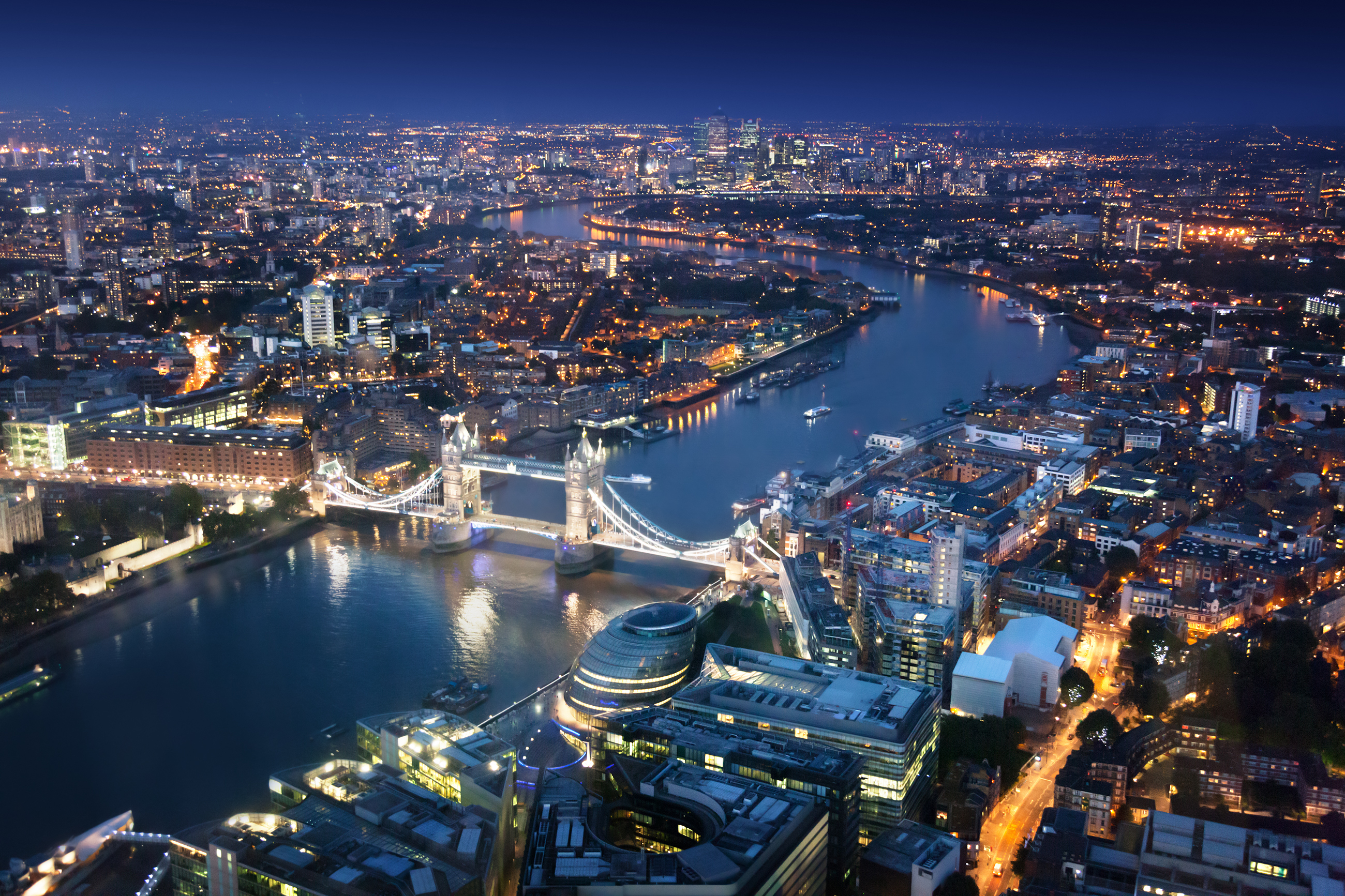
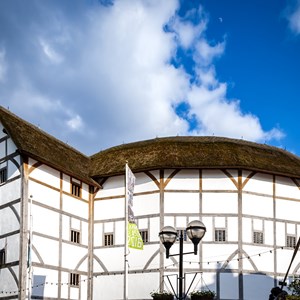
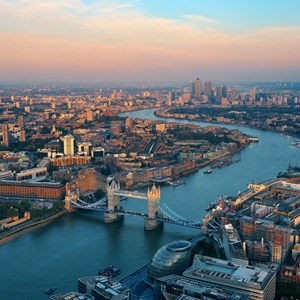
To catch all the 'big-hitters' in one go, you can't beat a walk along the River Thames. Strolling from Tower Bridge to the Houses of Parliament you'll pass the Tower of London, Shakespeare's Globe, Tate Modern, the Southbank Centre, the National Theatre, the London Eye, the SEA LIFE London Aquarium and London Dungeon. In addition to these world-famous attractions, there are many more to discover during your stay.
The West End is the place to go to see London's top theatre shows and musicals. Alongside classics like Les Misérables, Phantom of the Opera and The Mousetrap, you will find hit contemporary shows like The Lion King and The Book of Mormon. Don't forget to explore the many off-West End venues too, such as the National Theatre, The Old Vic and (during the summer months) Regent's Park Open Air Theatre.
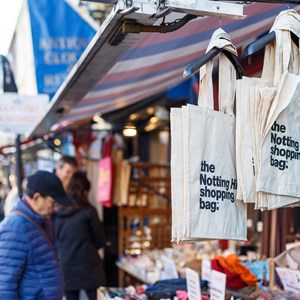
In the West End, you will also find some of London's top shopping destinations, from Oxford Street to Seven Dials. Different neighbourhoods are known for other unique opportunities for shopping: Notting Hill is renowned for its antiques and Portobello Market, Greenwich has an excellent arts and crafts markets, while Westfield London and Westfield Stratford City are the city's most famous malls.
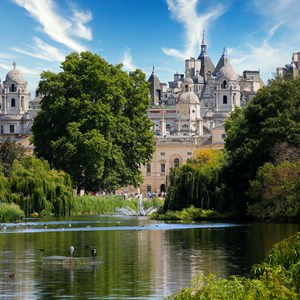
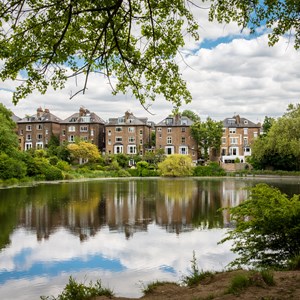
If you would rather save money than spend it, the eight Royal Parks are well worth a visit — and a great spot for a picnic. Visit Greenwich Park to drop in on the Royal Observatory, walk through Kensington Gardens to see Kensington Palace, take a paddle on the Hyde Park boating lake, see Buckingham Palace from scenic St James's Park, spot deer at Richmond Park and Bushy Park, and meet the animals at London Zoo, which lies within Regent's Park.
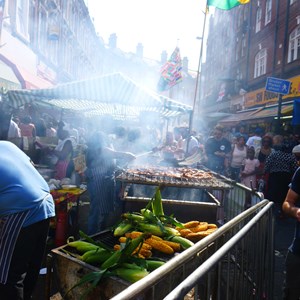
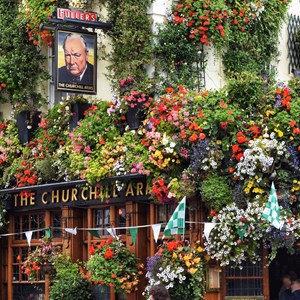
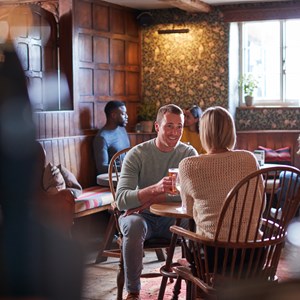
Along the way indulge your taste buds with delicious food at one of London's many restaurants, gastropubs and pop-up eateries. You can eat food prepared by a celebrity chef, discover modern British cuisine, or eat food from anywhere in the world — be it Indian, Chinese, Persian, Greek, Italian or Lebanese. Top off your perfect day with a fancy cocktail, excellent wine or locally brewed beer at a top London pub or bar — and maybe a boogie at one of the capital's buzzing nightspots and clubs.
London is full of things to do and see. From famous attractions such as the London Eye, the Palace of Westminster, Big Ben and the Tower of London to much lesser-known ones that are almost secret. There are also exciting shopping destinations, vast areas of green parkland in the middle of the city, and much, much more.
Read on for inspiration and handy tips on places you just can't miss while you're in the capital. Many attractions on this list are free to enter, giving you another great reason to fall in love with London.
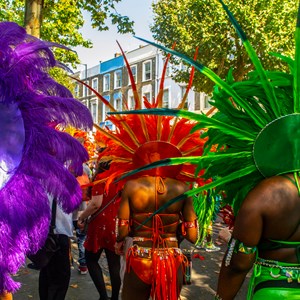
London offers a jam-packed calendar of events that cater to a wide range of audiences all year round. This guide highlights the most popular and interesting ones that should definitely be on your bucket list.
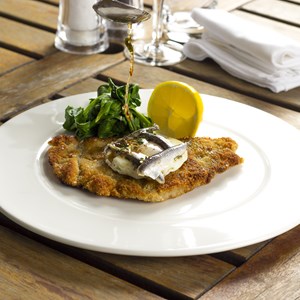
The British culinary scene is abuzz in London, with innovative chefs rethinking traditional British classics and creating new favourites — all with an emphasis on fresh, local produce.
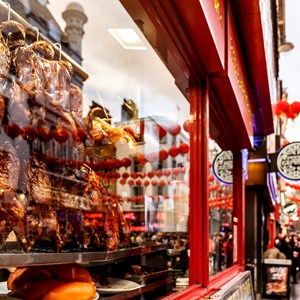
Thanks to London's rich mix of cultures, the capital's restaurants serve up delicious food from all corners of the globe. Whatever cuisine you fancy, you're sure to find it in London. Chinese, Japanese, Korean, Caribbean, Polish, French, Italian, Afghan, Ethiopian, American, Spanish, South African, Persian — the list goes on.
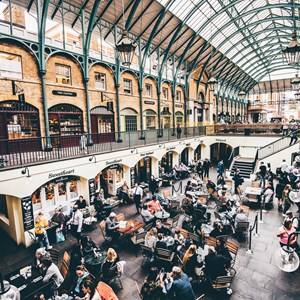
With Michelin Star restaurants, family-friendly eateries, cosy gastropubs, fast food joints and quirky cafes dotted all over the city, there's something for every budget too. Food halls and street food are on the rise, too, with new ones popping up seemingly every month.
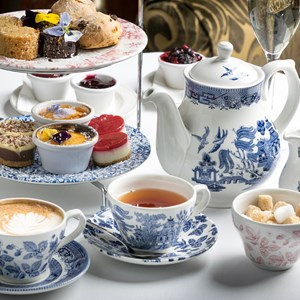
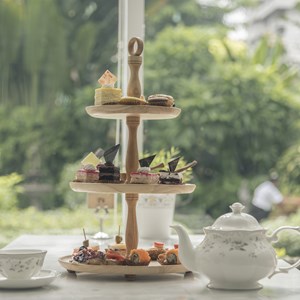
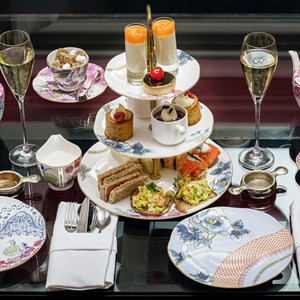
Delicate finger sandwiches, tempting cakes, pots of steaming tea, scones with lashings of jam and cream. With so many delicious ingredients, it's no wonder traditional afternoon tea remains as popular as ever. There are many top hotels, restaurants and cafes serving afternoon tea in London to this day, and there are many varieties available — from classic afternoon tea to low-calorie alternatives and even a gentleman's afternoon tea.
The afternoon tea is a rather elegant affair, so don't waste the opportunity to wear something smart and you'll feel right at home. The establishments in our list of the most notable afternoon teas all have dress code requirements.
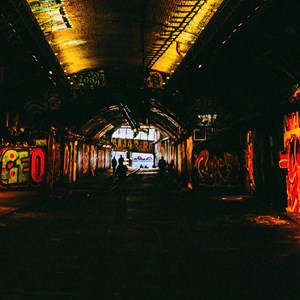
London's nightlife is one of the most vibrant and varied in the world, with everything from mega clubs to live music, and from trendy bars to traditional British pubs.
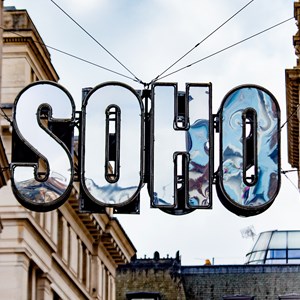
Spots in central London like Soho and Leicester Square attract visitors most nights of the week, but if it's the more trendy venues you're interested in why not try neighbourhoods like Hoxton and Shoreditch in East London, or Brixton and Clapham in South London.
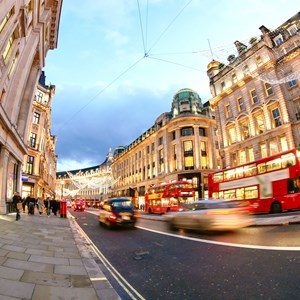
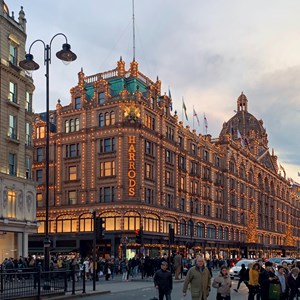
Shopping in London is one of the most popular pastimes for visitors and locals alike. And it's no wonder, given the huge range of shopping destinations across the capital, from high-end luxury boutiques and huge department stores to lively markets and vintage pop-ups.
The key is to find the right shopping area for you, be it the bright lights and big brands of the West End, the quirky and outrageous fashion of Camden, or the smart suits in Savile Row. Here are just a few of London's top shopping destinations, well worth a visit.
Passport & Visa
Starting from January 8, 2025, the United Kingdom has introduced an Electronic Travel Authorization (ETA) requirement for visa-exempt travellers. Initially, this applies to citizens from countries such as the United States, Canada, Australia, Japan, and others. From April 2, 2025, this requirement will extend to European Union (EU) and European Economic Area (EEA) citizens, including those from Iceland, Liechtenstein, Norway, and Switzerland.
The ETA permits short-term visits of up to six months for tourism. Travellers must apply for the ETA online or via a mobile app before their trip. The process involves providing personal details, passport information, and answering a series of questions. The ETA costs £10 and is valid for two years, or until the passport expires, whichever comes first. Most applications are processed within three working days, but it's advisable to apply well in advance of travel.
However, those travellers planning to work or study in the UK for more than six months will need to obtain the appropriate visa. It's essential to consult the UK Government's official website to understand the specific requirements and to ensure a smooth journey.
Please note that the ETA does not guarantee entry into the UK; border officials retain the authority to grant or deny admission upon arrival.
Address:
Email:
Phone:
Website: www.gov.uk/uk-border-control
More Information:
Best Time to Visit
London is graced with a mild climate and, as such, can be visited at any time of the year. However, a few things need to be considered. Most of the royal palaces and residences, like the State Rooms at Buckingham Palace, are only open to the public during the summer months. Many of the city's most important festivals, like the British Summer Time Music Festival, also take place during this time. Late June to mid July is also when some of the best sales are on in shops around the capital.
Spring is also a good season for a visit, since the weather is generally good and finding accommodation is both easier and cheaper (high season in London means a lot of tourists). And if you're not too bothered about the grey weather, then the low season (January and February) can be a good option too, when there are fewer tourists and prices are lower.
Address:
Email:
Phone:
Website:
More Information:
London Heathrow Airport (LHR)
London Heathrow Airport is one of the world’s busiest airports, with five terminals. There are various ways to travel from Heathrow Airport to your destination. The quickest option is the Heathrow Express, a non-stop train to Paddington Station taking around 15–20 minutes, with services every 15 minutes. For a cheaper option, the Piccadilly line of the Tube links the airport to central London in roughly 45–55 minutes. Coaches and taxis are also available, though journey times can vary with traffic.
Address: Heathrow Airport, Hounslow, Middlesex
Email:
Phone: +44 844 335 1801
Website: www.heathrow.com
More Information:
London Gatwick Airport (LGW)
London Gatwick Airport, the UK’s second-largest airport, has two terminals: North and South. The fastest way into central London is the Gatwick Express, a non-stop train to Victoria Station taking around 30 minutes, with departures every 15 minutes. Other options include Thameslink and Southern train services, which stop at several central London stations, as well as coach services to Victoria and other locations. Taxis are available, but they can be quite pricey depending on traffic.
Address: Gatwick Airport, West Sussex
Email:
Phone: +44 844 892 0322
Website: www.gatwickairport.com
More Information:
London Stansted Airport (STN)
London Stansted Airport is the UK’s third-busiest airport, serving numerous low-cost airlines across Europe and the Mediterranean. The fastest route into central London is the Stansted Express, a direct train to Liverpool Street Station in less than one hour, with services departing every 15 minutes. Other options include National Express and Terravision coaches to Victoria, Stratford, and other locations. Taxis are available, but fares can be high due to distance and traffic.
Address: Stansted Airport, Bassingbourn Road, Stansted
Email:
Phone: +44 808 169 7031
Website: www.stanstedairport.com
More Information:
London Luton Airport (LTN)
London Luton Airport is located about 56km north-west of central London, and is a popular base for low-cost airlines. The easiest way into the city is via a shuttle bus to Luton Airport Parkway station (around 10 minutes), where trains run frequently to central London in roughly 25–35 minutes. Alternatively, express coach services such as easyBus, Green Line 757, and Terravision operate to Victoria Coach Station. Taxis are also available, though fares can be significantly higher depending on traffic.
Address: London Luton Airport, Luton, Bedfordshire
Email:
Phone: +44 1582 405 100
Website: www.london-luton.co.uk
More Information:
London City Airport (LCY)
Located just 9.5 km east of Central London, London City Airport primarily serves short-haul and business flights. The airport is on the Docklands Light Railway (DLR), which links directly to the Tube network at Canning Town, Stratford, and Bank, with fares following the same zonal system. Bus routes 473 and 474 connect the airport to other East London destinations, and taxis are available from the rank outside the terminal.
Address: London City Airport, Hartmann Road, London
Email:
Phone: +44 20 7646 0000
Website:
More Information:
Public Transport — Bus
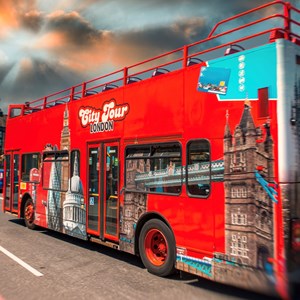
London’s bus network covers the entire city and is often the most convenient way to travel short distances or reach areas not served by the Tube. Buses run frequently throughout the day and are fully accessible.
Cash is no longer accepted on London buses. Instead, you pay by tapping an Oyster card or a contactless debit or credit card when boarding. There’s no need to tap out. Fares are flat regardless of distance, and daily and weekly caps apply automatically. A popular option for visitors is the Hopper fare, which allows unlimited bus and tram transfers within one hour for a single fare.
Night buses operate across much of the city, providing overnight connections after the Tube closes. Many routes pass through central hubs such as Trafalgar Square. Routes and timetables are best checked using Transport for London’s Journey Planner and the TfL Go app. Concessions are available for children, students, seniors, and disabled travellers.
Address:
Email:
Phone:
Website: www.tfl.gov.uk
More Information:
Public Transport — the Tube
London’s Underground, commonly known as the Tube, consists of 11 lines serving Greater London and connecting with the Docklands Light Railway (DLR) and local rail services. Trains typically run from around 5 am until midnight, Monday to Saturday, with a reduced service on Sundays. On Friday and Saturday nights, selected lines operate a Night Tube service, offering limited overnight travel.
Fares are based on London’s zonal system and are cheapest when using an Oyster card or a contactless debit or credit card; paper tickets are expensive and now rarely used. Daily and weekly fare caps apply automatically, helping to keep costs down. Free Tube maps are available at many stations, while routes can be planned using Transport for London’s Journey Planner, the TfL Go app, or third-party apps such as Google Maps and Citymapper.
Address:
Email:
Phone:
Website: www.tfl.gov.uk
More Information:
Public Transport — Docklands Light Railway
The DLR serves East London and links with the Tube network at key stations including Bank, Tower Gateway, Shadwell, Stratford, Bow, Heron Quays, Canning Town, and Canary Wharf. It also connects to the Emirates Air Line cable car at Royal Victoria. Fares follow the same zonal system as the Tube, and the DLR accepts Oyster cards, contactless payment cards, and Travelcards covering the relevant zones. Trains typically run from around 5:30 am to 12:30 am Monday to Saturday, with a slightly shorter service on Sundays (7 am–11:30 pm).
Address:
Email:
Phone:
Website: www.tfl.gov.uk
More Information:
Public Transport — Thames River Bus
Glide along the Thames on the river bus, a scenic way to reach destinations along the river from Putney to Woolwich Arsenal. Key routes include the Thames Clippers service between Hilton London Docklands Riverside and Canary Wharf, the Tate-to-Tate connection between Tate Britain and Tate Modern, and the route linking the London Eye with Greenwich. Tickets can usually be purchased on board or in advance online. Oyster cards and contactless payment cards are also accepted, often with discounted fares compared to cash tickets.
Address:
Email:
Phone:
Website: www.tfl.gov.uk/modes/river/about-river-bus
More Information:
Public Transport — Local Trains
London’s local train network complements the Tube, linking the city to surrounding towns and regions while connecting with major Underground stations. Operators include London Overground, South Western Railway, Southeastern, Southern, and Greater Anglia, among others. Many services also tie into the national rail network and the Eurostar. Oyster and contactless payment cards are valid on most trains within Zones 1‑9, with a few exceptions such as the Heathrow Express.
Address:
Email:
Phone:
Website: https://tfl.gov.uk/maps/track
More Information:
Public Transport — Trams
London’s tram network, Tramlink, serves parts of South London, connecting Wimbledon, Croydon, Beckenham, and New Addington. Trams generally run every 7–10 minutes during the day from Monday to Saturday, with slightly reduced frequency on Sundays and public holidays. Fares are based on the same system as buses and the Tube: touch in with an Oyster card or contactless bank card when boarding. Cash is no longer accepted on trams.
Address:
Email:
Phone:
Website: www.tfl.gov.uk
More Information:
Public Transport — Cycle Hire Scheme
Zip around London on the city’s public bike-sharing scheme, commonly known as 'Boris Bikes'. Red bikes are available at hundreds of docking stations across the capital, making it easy to pick one up or return it nearby. Bikes can be hired via the Santander Cycles app or at the docking stations themselves. The scheme is ideal for short trips, with time-based charges applying after the first half hour. Docking stations clearly indicate where bikes are available.
Address:
Email:
Phone:
Website: https://tfl.gov.uk/modes/cycling/santander-cycles
More Information:
Public Transport — IFS Cloud Cable Car
Cross the Thames in style on the IFS Cloud Cable Car, linking Greenwich Peninsula and the Royal Docks. The journey takes under 10 minutes and offers panoramic views of London and the river below. Tickets can be purchased with an Oyster card, contactless payment, or online, and multi-journey passes are also available. In the evening, the cable car operates at a slower pace, giving extra time to soak in the views.
Address: 27 Western Gateway, London
Email:
Phone:
Website: https://tfl.gov.uk/modes/london-cable-car
More Information:
Taxi
Taking a ride in one of London’s iconic black cabs makes for a very comfortable and spacious ride. You can hail one on the street or at a taxi rank. Be aware, though: traffic in central London often slows things down, so costs can rise quickly. Ride-hailing apps are also widely used: Uber, Bolt, Free Now, Gett, Ola, and others operate across the city.
Address:
Email:
Phone:
Website: https://tfl.gov.uk/modes/taxis-and-minicabs/taxi-fares
More Information:
Post
Postage stamps are available across London at post offices, newsagents and supermarkets. To post a package or small souvenirs, drop into a post office — you can find your nearest branch on their official website. Post offices are generally open Monday–Friday from 9 am to 5:30 pm and Saturday from 9 am to 12:30 pm.
Address:
Email:
Phone:
Website: www.postoffice.co.uk
More Information:
Pharmacy
Whether you need over-the-counter remedies or to fill a prescription, London has no shortage of pharmacies. Boots remains the most widespread and reliable chain, with branches throughout the city offering medication, health services, and everyday essentials. Superdrug is another common chemist's chain, particularly in central areas and shopping districts. In addition, smaller chains such as Well Pharmacy and Rowlands Pharmacy operate a limited number of locations in selected neighbourhoods.
Address: Boots London Piccadilly Circus, 44-46 Regent St, London
Email:
Phone: +44 207 734 6126
Website:
More Information:
Telephone
The international dialling code for the UK is +44 (or 0044), which replaces the initial ‘0’ of the phone number. For example, to call 020 7946 0000 from abroad, you would dial +44 20 7946 0000. London’s area code is 020, and local numbers start with 7, 8, or 3.
Address:
Email:
Phone:
Website:
More Information:
Electricity
Electrical appliances in the UK use a three-pin plug known as type G, which is standard throughout the country. Most wall sockets are fitted with on/off switches, allowing you to cut the power without unplugging your device. The mains electricity supply runs at 230 volts, so travellers should check that their chargers and appliances are compatible before plugging them in.
Address:
Email:
Phone:
Website:
More Information:
Frequently Asked Questions about London (FAQs)
FAQ
– What is the best way to explore London?
London is a very walkable city, and exploring on foot is one of the best ways to experience its streets, parks, and hidden corners. Public transport makes getting further afield easy: buses, the Tube, the Overground, and the DLR all connect the city. For a different perspective, river buses along the Thames provide scenic views and a quieter way to travel. Comfortable shoes, rain protection, and sun cream are highly recommended. An Oyster card or contactless payment card is the most convenient way to pay for fares across all TfL services.
– How many days in London is enough?
While you can see most of the main bucket list sights in London in a couple of days, spending at least 3-4 days in London is the best way to do this incredibly diverse city justice. You’ll have enough time to get acquainted with the city and go beyond the most obvious sights. Save a day to do something that speaks to you and your interests in particular.
– Where can I get an Oyster card?
Oyster cards are sold at Tube, London Overground, TfL Rail, and some DLR stations, as well as in Visitor Centres and some newsagents. The card can be topped up at the same locations or via the TfL Oyster and contactless app.
– What’s the tipping culture in London?
It is customary to leave 10–15% of the bill when eating out. Many restaurants will add a 12.5% service charge, especially if you’re dining out with a large group. Check your bill if you don’t want to tip twice. You can also ask for the service charge to be removed if you found the service to be completely unacceptable.
– Is London a safe city?
Like most major cities, London has areas with higher crime rates, but overall it’s considered safe for visitors. According to the Economist Safe Cities Index, London ranks 15th worldwide, tied with San Francisco.
– Is it safe to walk around London at night?
London is generally safe after dark, especially in busy areas. However, public transport doesn’t run on all lines overnight; the Tube stops around midnight, with some Night Tube lines on Fridays and Saturdays only. Night buses operate across most of the city, but be aware that some routes may be slower or less frequent late at night. For longer journeys, taxis or rideshare services are a convenient alternative.
– Where is the best place to stay in London?
London has many neighbourhoods to choose from, so spend some time researching what personalities each one has. Price is another important consideration, of course.
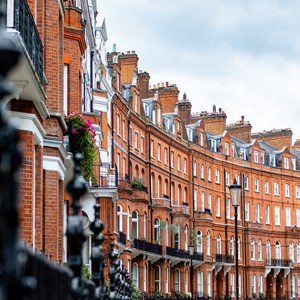
Brixton is a great residential area, known for its diversity, shops, and street markets. Quite hip, but that also means it can get loud. Mayfair is right next to Hyde Park. Park yourself here for old British architecture and cute boutiques. The prices are somewhat high, and Mayfair doesn’t have the best airport connections. Shoreditch is a hipster paradise with excellent coffee shop culture — great for digital nomads. Shoreditch is not the most polished neighbourhood, though. Almost all neighbourhoods in London are very safe, so don’t make that your main concern. Nightlife areas like Camden, West End, and Deptford can turn a bit rowdy and loud at night, but you’ll be in the middle of the action.
– Is London really always rainy and grey?
People tend to exaggerate. London does have decent weather, with full-on sunny days. The best time to visit to avoid crowds and stay dry is early summer or early fall. Bring a jacket for the nights, even in the summer.
– What should I pack for my trip to London?
London is great for shopping, so don’t worry too much about forgetting things at home. To stay comfortable, you’ll definitely need a pair of good walking shoes. A water-resistant jacket won’t hurt either. And do bring your favourite going-out outfit for the weekend.
Address:
Email:
Phone:
Website:
More Information: